
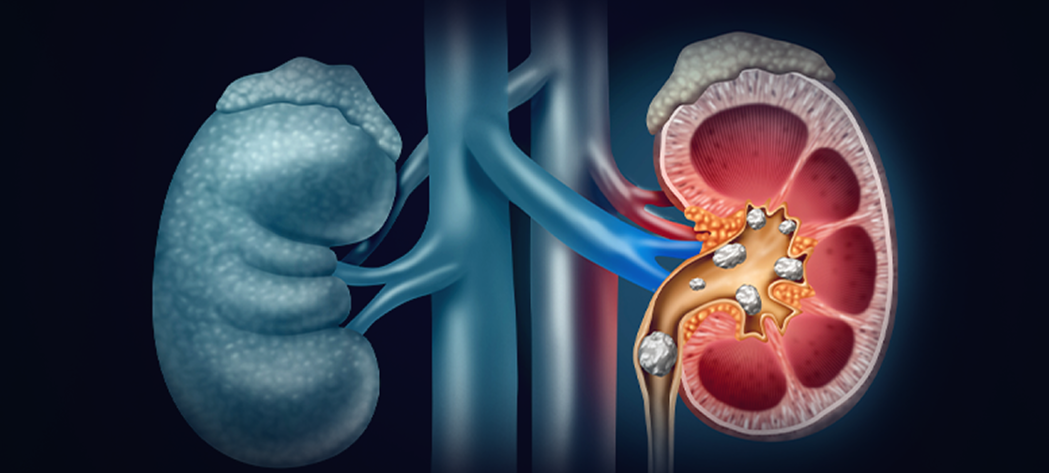
Ureter stones are hard mineral and salt deposits that form in the kidneys and become lodged in the ureter, the narrow tube that carries urine from the kidney to the bladder. When a stone blocks or partially obstructs the flow of urine, it can cause severe pain, discomfort, and other urinary symptoms. Ureter stones vary in size and may pass naturally, while larger stones often require specialized medical treatment to prevent complications and restore normal urine flow.
Common symptoms of ureter stones include sharp pain in the side, back, or lower abdomen, pain that radiates toward the groin, burning during urination, blood in the urine, frequent urination, nausea, and vomiting. If left untreated, ureter stones can lead to urinary tract infections, kidney swelling, and potential kidney damage.
The symptoms of ureter stones can vary depending on the size and location of the stone. When a stone becomes lodged in the ureter, it can obstruct the flow of urine and cause significant discomfort. One of the most common symptoms is severe, sharp pain in the side, back, lower abdomen, or groin, which may occur suddenly and come in waves. The intensity of the pain can fluctuate as the stone moves through the urinary tract.
Patients may also experience burning or pain during urination, blood in the urine (hematuria), frequent urination, difficulty passing urine, cloudy or foul-smelling urine, nausea, and vomiting. In some cases, ureter stones can lead to urinary tract infections, which may cause fever and chills.

Committed to delivering advanced urology care, compassionate treatment, and trusted healthcare solutions for a healthier tomorrow. Combining expertise, innovation, and personalized care.
© 2026 ANSH Urology & Andrology Clinic – Dr. Neel Shah All Rights Reserved | Develop By Nexus